
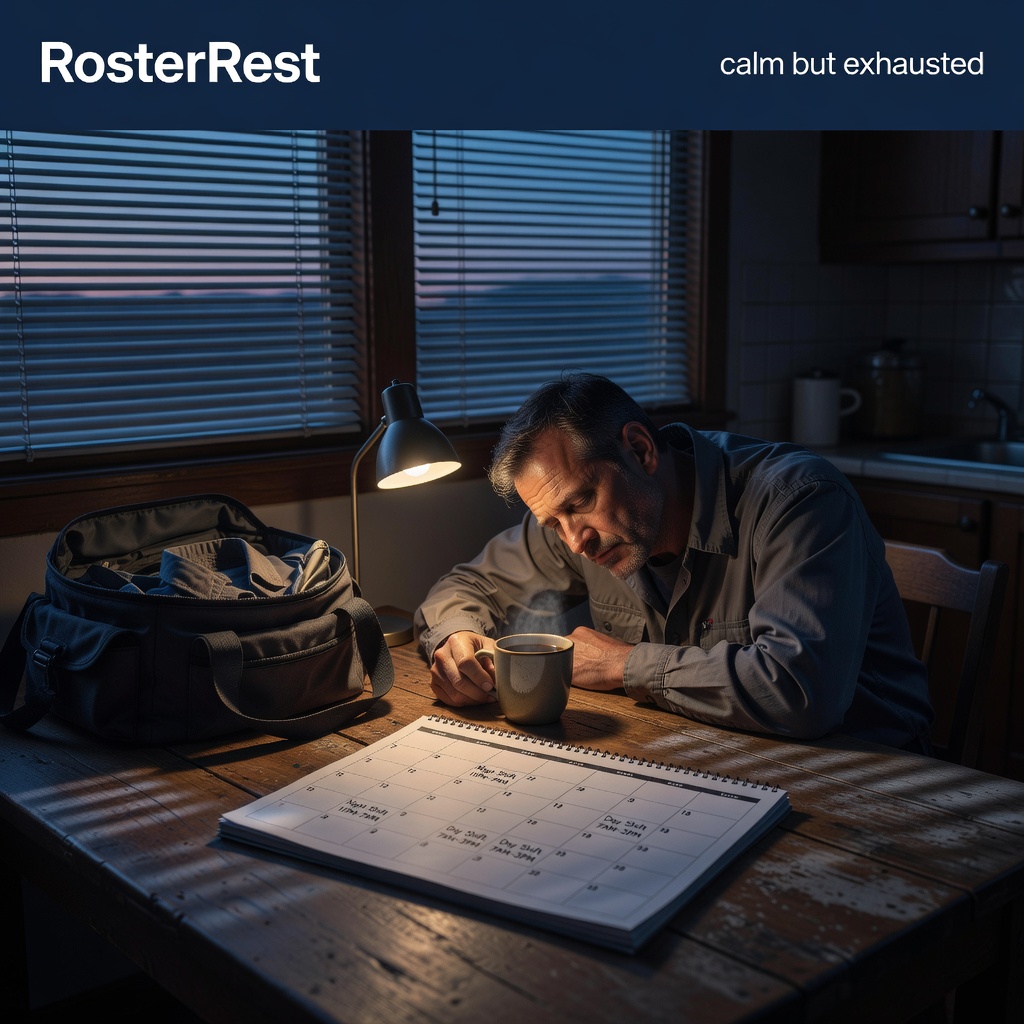
Rotating Shift Sleep Schedule: How to Survive Switching Days and Nights
Imagine this: You've just powered through a 12-hour night shift as a nurse, the fluorescent lights buzzing like distant hornets, patients' monitors beeping through the haze. Dawn cracks as you stumble home, craving sleep—but tomorrow, you're flipping to days. Your body rebels, a circadian mutiny leaving you foggy, irritable, and one coffee away from collapse. If this sounds familiar, you're among millions wrestling a rotating shift sleep schedule. Truckers hauling loads across midnight highways, early-morning factory starters, rotating roster workers in mining camps—they all know the grind of rotating roster fatigue.
Shift work disrupts your body clock, often called your circadian rhythm, the brain's internal timer that craves consistency. But survival is possible. This guide draws from sleep science to arm you with practical tactics: anchor sleep, smart light timing, caffeine hacks, power naps, and bedroom tweaks. No quick fixes or medical advice—just empathetic, actionable steps to reclaim your rest, especially those brutal transition days when switching from night shift to day shift.
The Anchor Sleep Strategy: Your Circadian Lifeline
In the chaos of a shift work sleep schedule, anchor sleep acts like a steadfast buoy. It's 3-4 hours of core sleep you protect daily, no matter the rotation—say, 3-7 a.m. during nights, shifting slightly for days. Sleep researchers highlight how this stabilizes your rhythm, easing the jolt of flips.
For night owls switching to a daytime schedule: After your last graveyard, grab anchor sleep until noon, then top up later. If you work day shifts, lock it post-shift. Track it in a journal; consistency compounds, dialing down that bone-deep rotating roster fatigue.
Time Your Light Exposure Like a Pro
Bright Days, Dim Nights
Light is your body's cue master. Blue wavelengths signal "wake up" via melanopsin cells in your eyes. Before a night shift, get bright light after you wake or early in the shift to help you stay alert. After the shift, if you plan to sleep, reduce bright morning light on the way home and while you wind down, because strong light can make it harder to settle. Blackout curtains or eye masks seal the deal for daytime slumber.
Switching from night shift to day shift? Those transition days are gold: Blast bright light upon "waking," dim everything four hours pre-bed. Truckers, rig blue-blockers for dawn drives; parents juggling kid chaos, sync family lights to your cycle.
Caffeine Management: Fuel Smart, Not Frenzied
Caffeine can make you feel more alert, but about half of it may still be in your body five to six hours later. Use it early in your shift and stop at least six hours before you plan to sleep. How to sleep on rotating shifts? Half-caf blends or decaf swaps ease crashes.
- Pre-shift: 100-200mg boost.
- Mid-shift: Strategic refill.
- Post-shift wind-down: Herbal tea ritual.
Parents with erratic kid schedules, this curbs the mid-afternoon slump when little ones demand playtime.
Strategic Napping: Bridge the Gaps
Transition Days Demand Power Naps
Naps recharge without inertia if capped at 20-30 minutes. NASA pilots swear by them for vigilance. In your rotating shift sleep schedule, bank them pre-shift or during long hauls—earplugs and a neck pillow turn truck cabs into cocoons.
On transition days when switching from night shift to day shift, try an early-afternoon nap after your main sleep if you need extra rest. Keep it short enough that you can still sleep at your usual bedtime. Early starters? 15-minute pre-dawn micro-naps sharpen focus.
Make Your Bedroom Sleep-Friendly
Keep your bedroom cool, dark, and quiet. A helpful target is 60–67°F (16–19°C), not a requirement. White noise machines can drown out neighbor kids or highway hums. Weighted blankets mimic hugs, signaling safety to your nervous system.
- Blackout everything.
- Temp-control sheets.
- Earplugs + fan combo.
Night workers sleeping at home should invest in blackout blinds or curtains. If your roster takes you on the road, pack a comfortable eye mask, a portable blackout curtain, or a temporary window covering.
Tie It All Together and Thrive
Layer these—anchor + light + caffeine + naps + bedroom—and your rotating shift sleep schedule transforms from foe to manageable rhythm. Science shows adaptation takes weeks, but fatigue fades, alertness surges. You're not just surviving; you're owning the wheel.
Ready to personalize? Take the free RosterRest Sleep Quiz now—it tailors a plan to your roster in minutes. Track progress with our 7-Night Sleep Supplement Tracker. Rest well, shift strong.
