How to Sleep During the Day After Night Shift: Daytime Sleep Setup for Shift Workers
Picture this: you stumble through the door at 7 a.m., the sun already piercing every window, your body humming from twelve hours of night-shift vigilance. Nurses fresh from the ER, factory workers silencing machines, security guards clocking out as the world wakes up. That familiar 7 a.m. wall hits hard. Adrenaline lingers, stress clings like fog, and sunlight screams "wake up" to your body clock, often called your circadian rhythm. Yet sleep demands its due. Light suppresses melatonin during daylight hours, trapping shift workers in a cycle of fatigue. This guide delivers real sleep solutions: a step-by-step daytime sleep setup for shift workers. Turn your bedroom into a sanctuary where rest comes reliably, even when the sun is up.
Block Out the Light with Blackout Curtains for Shift Workers
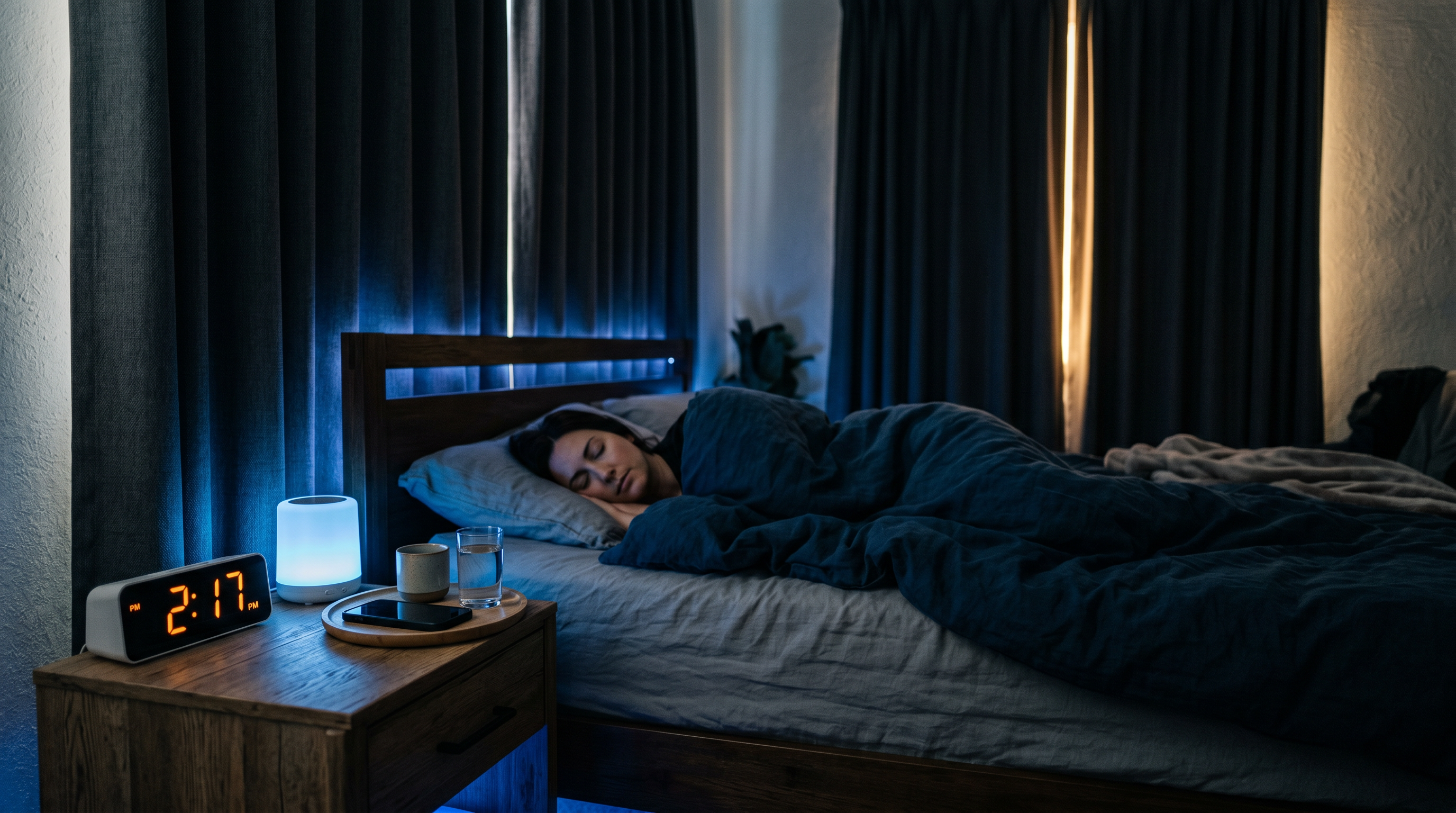
Light is the enemy of how to sleep during the day after night shift. Even faint dawn rays signal daytime to your body clock. Shift workers lose precious sleep minutes wrestling this cue.
Invest in blackout curtains designed for shift workers. These heavy-duty panels, often with triple-weave fabric, block 99 percent of light. Hang them floor-to-ceiling, overlapping edges by six inches to seal gaps. Pair with blackout blinds or foam board over windows for total darkness.
Test during the day: enter your room at noon. If you see no light, succeed.
Add door sweeps and towel drafts to block under-door leaks.
Choose room-darkening shades in neutral colors to blend with decor.
Result? Your bedroom mimics cave-like night, tricking biology into deep sleep cycles.
Dial in the Best Room Temperature for Shift Workers
Core body temperature drops to initiate sleep, but daytime heat from rising sun thwarts this. Ideal sleep temperature sits at 60 to 67°F (16 to 19°C), per sleep research.
Cool the room as much as you reasonably can. Pre-cooling before you arrive is an option only if your air conditioner has a timer, programmable thermostat, or remote/app control. If it does not, turn it on when you get in if you need it, or use a fan, cross-ventilation when it is safe, shade or blackout curtains, and breathable bedding to keep heat down. Fans circulate air; dehumidifiers combat summer stickiness felt by long-haul drivers parking in truck stops.
If your air conditioner has a timer, programmable thermostat, or remote/app control, you can pre-cool the bedroom about 30 minutes before you expect to arrive home. If it does not, turn it on when you get in if you need it, or use a fan, safe ventilation, shade/blackout curtains, or breathable bedding to cool the room as much as possible.
Breathable cotton sheets keep you dry; avoid synthetics.
Blackout curtains double as insulators, stabilizing temperature swings.
Quick Fix for Hot Days
Freeze a water bottle, place at feet. Natural cooling without machinery hum.
Mask Noise with White Noise Machines
Lawnmowers, traffic, kids at play: daytime sounds jolt first responders out of slumber. A white-noise machine is a small device that plays a steady fan-like sound to soften sudden noises such as traffic, voices, or household activity.
You do not need a dedicated machine. A regular fan or a reputable white-noise app can do the same job. Keep the volume comfortably low rather than loud.
Keep volume comfortably low, enough to soften sudden noises without filling the room.
Earplugs for deeper shifts, silicone for comfort over hours.
Seal windows with weatherstripping to cut external din.
Consistency builds association: this sound means sleep now.
Master Phone and Blue Light Discipline
Post-shift scrolling revives cortisol, delaying shut-eye as sun climbs. Blue light from screens mimics midday sun, confusing circadian cues.
Enforce screen discipline two hours pre-bed. Charge phones outside the bedroom. Use night mode filters if needed earlier.
Set "do not disturb" from shift end to wake time.
Dim all bulbs to warm amber tones.
Wind-down ritual: herbal tea, journal shift stress to offload mental load.
Engineer Circadian Cues for Nighttime Readiness
Beyond basics, cue your body it's night. Ritual beats willpower here.
Consistent sleep schedule, even days off.
Melatonin 30 minutes pre-bed, timed for shift end.
Cool shower drops body temp; heavy meal avoided close to sleep.
Dark glasses en route home blocks morning light.
These stack for the best sleep environment for shift workers, crushing the sun-up battle.
Your Daytime Sleep Sanctuary Awaits
Implement these today: measure for curtains, test noise levels, chill the room. Real sleep solutions restore energy for next shift. Nurses regain sharpness, guards stay vigilant, drivers press on safely.
Personalize further with the RosterRest Sleep Quiz at rosterrest.com. Track progress using the free 7-night supplement tracker. Rest well. Work strong.
